
Virtue is more than a measure of character. It is a foundation for action. It can be a Superpower.

Virtues are sometimes treated as abstract ideals—admirable in principle, but secondary to practical concerns. In reality, virtues such as honesty, courage, kindness, and sacrifice are powerful instruments of action. Practiced consistently, they build trust, inspire commitment, strengthen communities, and make extraordinary things possible. Virtue is more than a measure of character. It can be a Superpower.
Over the coming months, Lucidcafé will profile eleven individuals whose lives demonstrate the power of a particular virtue. The series includes Warren Buffett and honesty, Volodymyr Zelenskyy and courage, Alexei Navalny and sacrifice, Thich Nhat Hanh and patience, Yuval Noah Harari and intelligence, Ruth Bader Ginsburg and dignity, Nelson Mandela and grace, Jacinda Ardern and kindness, Elon Musk and resolution, Lee Kuan Yew and forcefulness, and concluding with an exemplar of a more controversial “virtue.”
These aren’t stories of flawless people. They are examples of what becomes possible when virtue is practiced with intention—especially when doing so is difficult, costly, or consequential.

Featured Profiles
Ruth Bader Ginsburg
When Ruth Bader Ginsburg entered the law, women were routinely denied opportunities simply because of their sex. She answered exclusion by dismantling it, case by carefully chosen case, persuading the Supreme Court that gender stereotypes harmed both women and men. As a justice, her opinions expanded equality, while her dissents challenged future generations to finish what the Court left undone. Ginsburg’s power was never volume. It was precision, patience, and an unshakable belief that the Constitution’s promise of equality must belong to everyone.
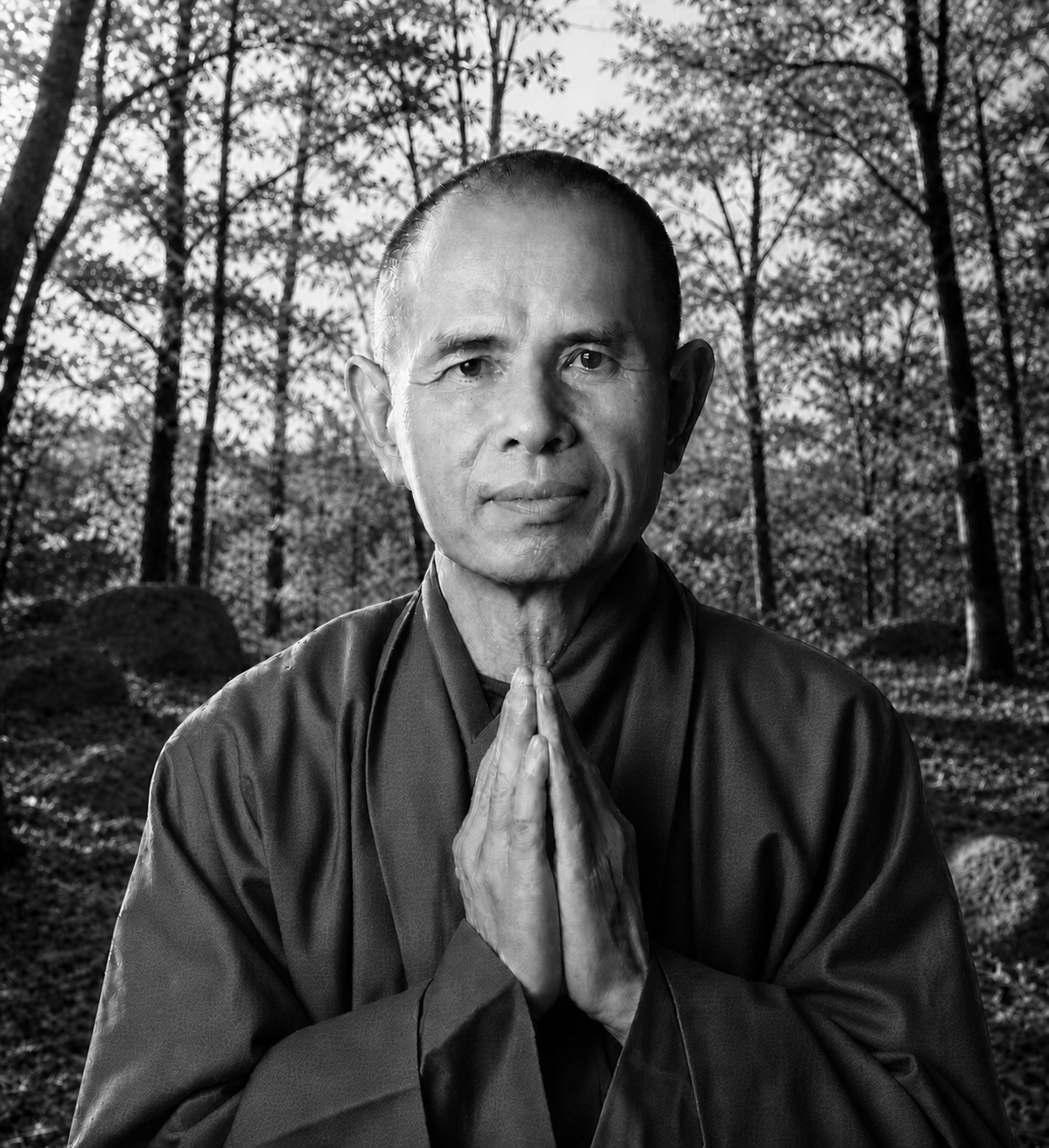
Thich Nhat Hanh
What can a Buddhist monk teach us about public life? Thich Nhat Hanh lived through colonialism, war, exile, and political repression, yet never separated inner peace from social responsibility. His Engaged Buddhism joined contemplation with action, teaching that lasting change requires the patience to listen deeply, recognize suffering—even in an opponent—and resist injustice without becoming consumed by hatred. At a time of accelerating conflict and deepening division, his life offers a timely model for principled, patient engagement.
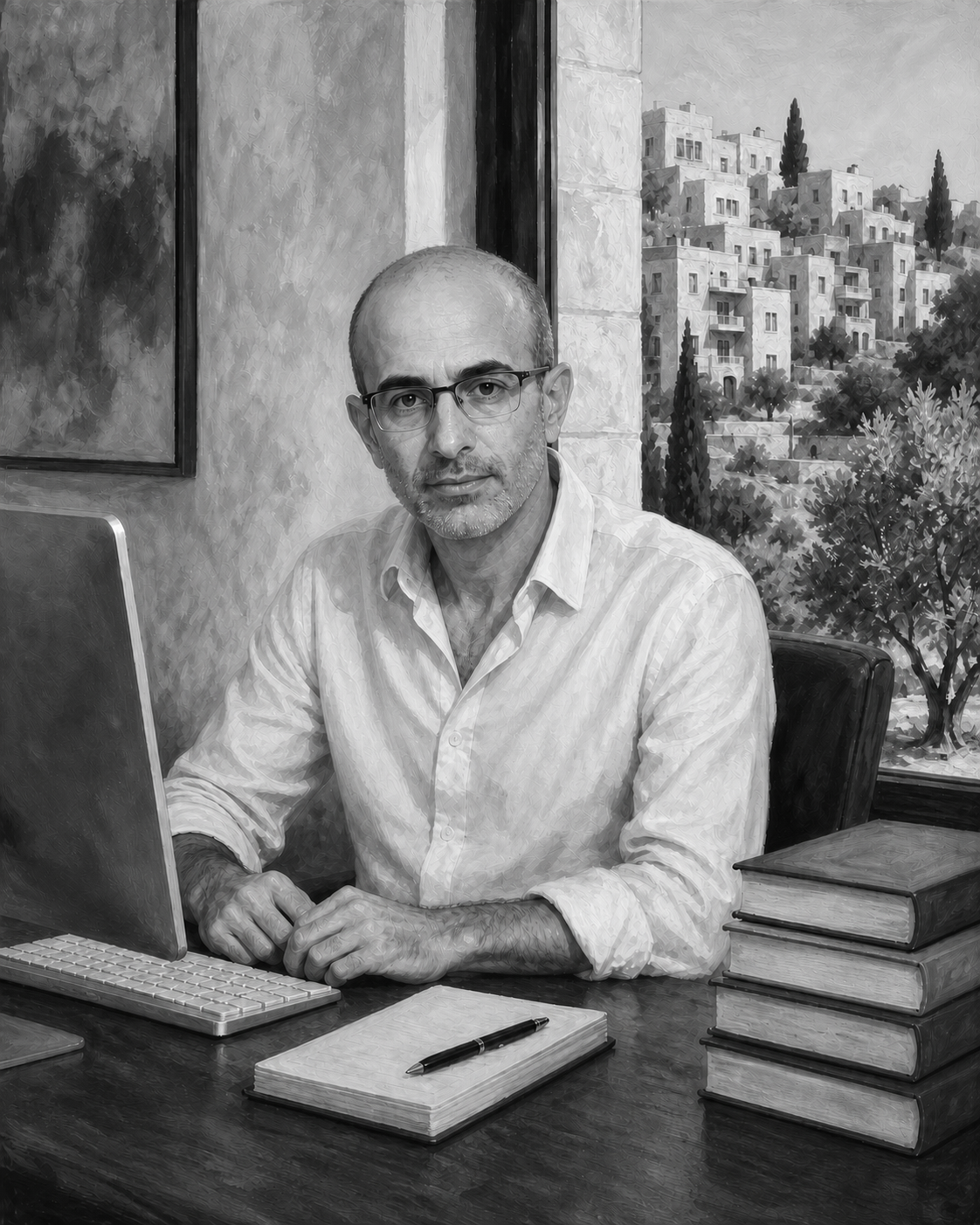
Yuval Noah Harari
Yuval Noah Harari has become one of our most important interpreters of human history by showing how biology, imagination, cooperation, institutions, and technology interact to create collective power. From Sapiens to Nexus, he has traced humanity’s rise through shared stories—and followed that inquiry into a future in which artificial intelligence can generate stories of its own. His work asks whether a species that became powerful by connecting minds can develop the wisdom to govern intelligence beyond the human mind.
Book of the Month
Sapiens traces humanity’s journey from an unremarkable animal to the planet’s dominant species. Moving across biology, history, religion, economics, and technology, Yuval Noah Harari shows how language, imagination, and shared stories enabled cooperation on an unprecedented scale—while asking whether humanity’s expanding knowledge and power have made us any wiser or happier.

Curious to read more?
Get this book on Amazon — using this link helps support the work we do at Lucidcafé.